
Labour of Love
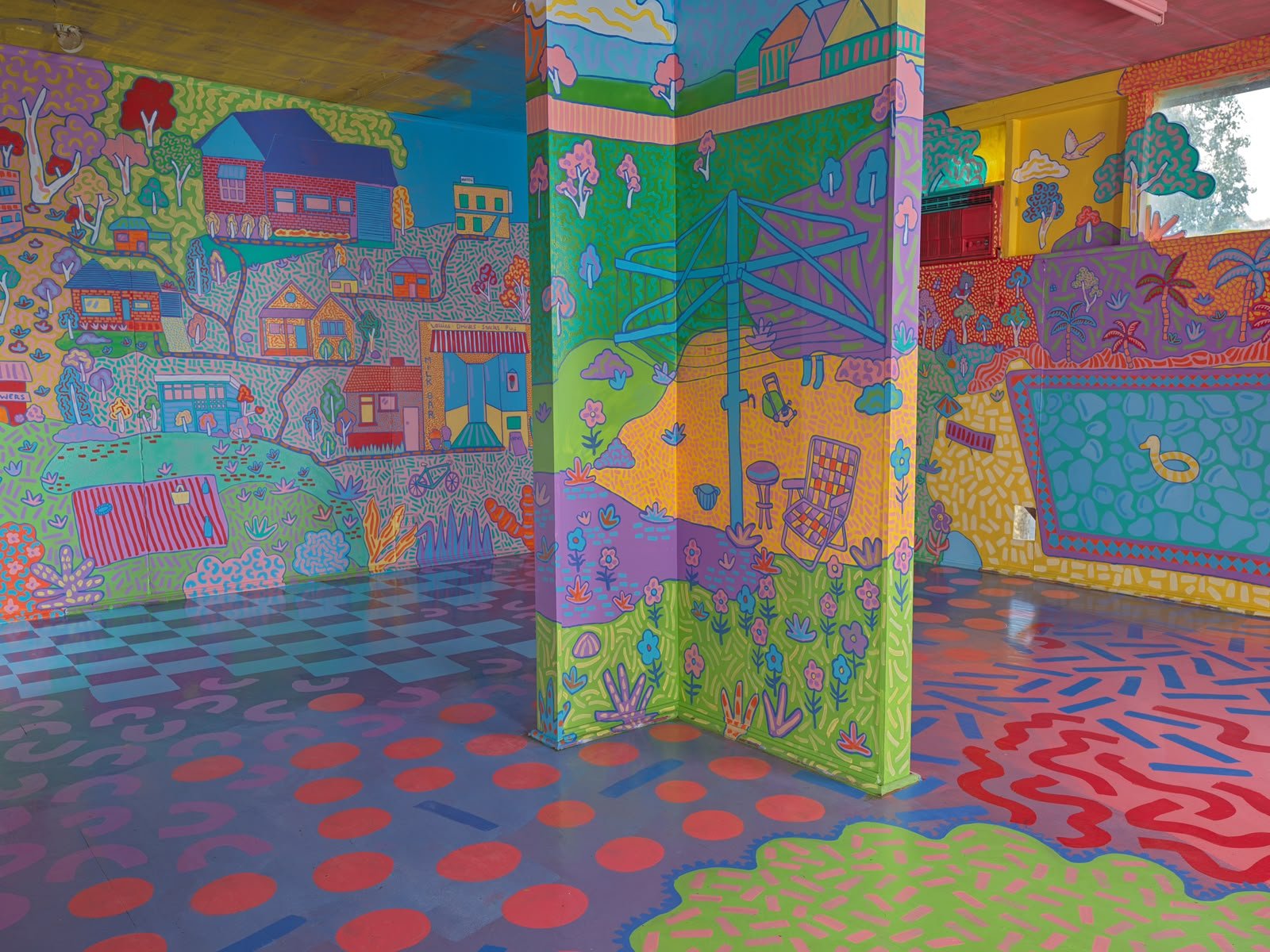
The Hills Hoist feels like such an icon of Australian suburban life.
A backyard, washing on the line, a chair in the sun and a garden to tend. There is something nostalgic and comforting about it, but it also carries this very particular idea of what domestic life is supposed to look like.
I actually don’t mind domestic tasks. I love cooking, and I like making a home feel nice. There can be something grounding in the repetition of washing, cleaning, cooking and caring for the people around you.
The problem is not the work itself. The problem is when that work becomes an expectation.
When women are automatically expected to cook, clean, organise, remember, care and keep a household running, often while working outside the home as well, we are talking about an enormous amount of unpaid labour that can become almost invisible.
For Side Quest Stories, the Hills Hoist became a symbol of that tension.
There is nothing wrong with wanting domesticity, and there is nothing wrong with rejecting it. What matters is having the choice. The work involved in creating and maintaining a home should be recognised, respected and shared.
Care can absolutely be an expression of love.
But care feels very different when it is expected rather than chosen.